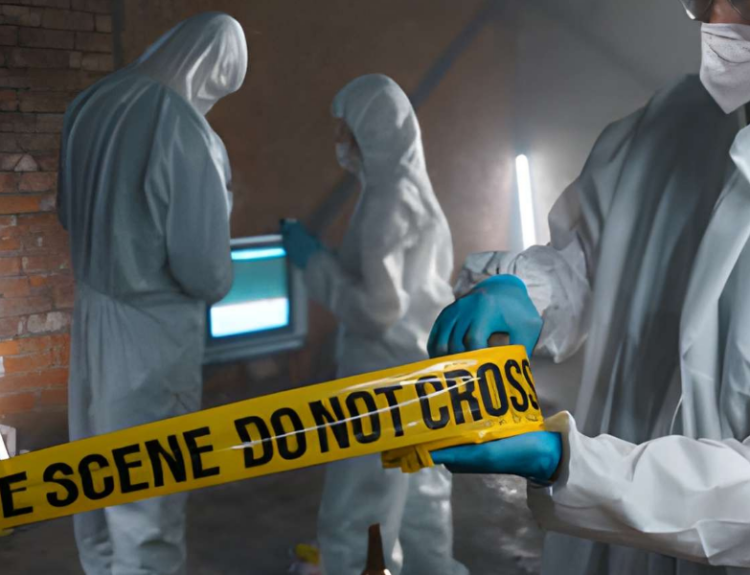
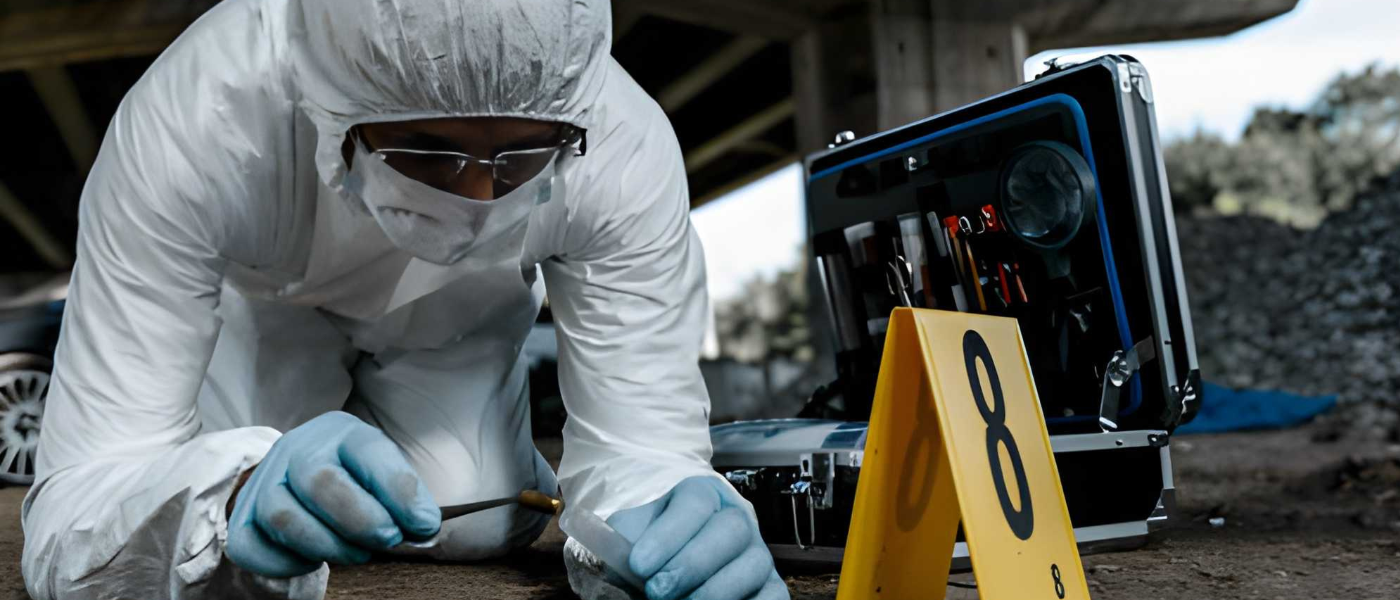
If you’re wondering what degree do I need to pursue a career in forensic sciences, what skills do I need and how can I get into the FBI lab or forensics digital team? Then you’ve come to the right place. This profession combines chemistry, biology, legal communication and computer forensics knowledge to solve real-life crimes. Forensic sciences sure offer multiple yet clear entry paths, measurable pay progression and a steady demand.
The Bureau of Labor Statistics in the U.S. reports an average annual income of forensic science technicians to be around $67,440, with the top 10% making more than six figures per annum. The demand for forensic science professionals is growing with job openings expanding quicker than ever. The field is expected to make a significant growth in upcoming years with continuous advancements being made in digital evidence, DNA, and federal hiring programs.
“Forensic science is a rewarding career in which the love of science can be applied to the process of finding the truth and seeking justice in legal proceedings.”
— American Academy of Forensic Sciences (AAFS)
This article will answer all your queries by putting together a detailed analysis of the forensic sciences careers, what education you need to land such jobs and everything else that matters.
Key Takeaways
- Forensic science careers go beyond crime scenes, including labs, digital forensics, toxicology, psychology, accounting, and wildlife investigations.
- A bachelor’s degree is enough for entry-level roles; advanced or specialized positions may need a master’s, PhD, or certifications.
Success requires analytical thinking, attention to detail, communication, ethics, adaptability, and emotional resilience. - Salaries range from $62,000 to $330,000+, with federal, private, and specialized roles offering higher pay.
- Roles can be lab-based, field-based, or hybrid, depending on whether you prefer indoor analysis, crime scene work, or both.
- Internships, electives, hands-on labs, and certifications in DNA, toxicology, or digital forensics boost career prospects and salary.
What Does a Forensic Science Career Really Look Like?
Students exploring careers in forensic sciences often think of TV-style investigations and cases – filled with action, drama and often quick, seamless discoveries. The truth is otherwise; the work is often slow, deeply collaborative, and evidence-driven – offering strong yet multiple career options for those ready to specialize.
Myths vs. Reality
Let’s debunk some of the common myths about forensic sciences careers before you actually get into the details. They include:
- Myth: you’ll be chasing criminals every day.
- Reality: most of your work will happen inside labs, time being spent on analyzing evidence, preparing reports and court testimony, etc.
- Myth: you’ll get hands on all the high-tech gadgets.
- Reality: your core job will involve collecting evidence, chain of custody, and documentation online.
- Myth: jobs related to forensic sciences are only limited to the crime labs.
- Reality: there are endless career options in toxicology, digital forensics, environmental forensics and even accounting.
Where Will You Get To Work?
As a forensic sciences professional, you can be working in multiple locations. The most likely of them include:
- Labs: for conducting DNA, chemical, and digital analysis.
- Crime Scenes: for the collection and preservation of evidence, often at unlikely, irregular hours.
- Courtrooms: for showcasing your findings and testifying as an expert witness.
- Agencies and Private Firms: while an average 60% of the total forensic sciences professionals work for state or local labs, the remaining join private and federal agencies.
Real-Life Skills in Action
As a forensics scientists, you will require the following critical skills:
- Attention to detail in order to prevent any contamination.
- Analytical thinking to easily interpret and analyze evidence.
- Communication to quickly translate scientific terms and references in front of the jury.
- Adaptability to easily gel-in with the latest tech advancements such as AI and digital forensics, etc.
- Ethics and Integrity to make sure everything you report and testify is truly justified.
Comment
byu/Titanicj4 from discussion
inforensics
Career Spotlight: 10 Forensic Science Jobs You Didn’t Know Existed
Forensics science careers are way beyond the typical ‘crime scene investigator’ you’ve seen on TV. There are many options you can pursue, a few top among them includes:
1. Crime Scene Investigator (CSI)
This role involves working at crime-scenes; capturing photographs, collecting evidence, and handing them over to the lab for analysis.
Salary: the average salary of a crime-scene investigator is around $86,030/annum, with a major variation on the basis of agency and location.
Student Action: you can take crime scene investigation degrees, courses or lab modules that offer specialization in evidence-collection, photo-documentation, and chain-of-custody protocols. Securing an internship or volunteering for a local police department’s scene unit can also help you build skillsets and expertise relevant to this role.
2. Forensic Psychologist
This role combines forensics with psychology and involves profiling suspects, analyzing and assessing the mental state of defendants, and testifying about their behavioral patterns in the courtroom.
Salary: the average salary of a forensics psychologist or adjacent roles is around $110,300/annum.
Student Action: a major in psychology with legal or forensic options or electives in behavioral analysis, criminal law can help you land such a role easily. You can also consider getting an internship related to a detention facility or forensic clinic.
3. DNA Analyst
The role requires working inside labs, analyzing biological samples such as hair, skin, blood, or bodily fluids for database comparisons, DNA matching, and cold cases at times.
Salary: The average salary of a forensic science technician is around $62,331/annum.
Student Action: The best you can do is focus on subjects like biochemistry, genetics, and molecular biology. You can also strengthen your profile by taking a lab course in molecular generics or maybe a summer research program. Learning database tools like CODIS can also be a strategic move.
4. Toxicologist
The role involves testing for poisons, drugs and other sensitive chemical agents in biological samples. You might also have to assist with autopsies and crime labs, as well as assist in courts.
Salary: the average salary of a forensic toxicologist is around $78,617/annum in the U.S.
Student Action: if you’re interested in pursuing toxicology, try doing majors in pharmacology or chemistry. You can also pick toxicology as an elective and secure internships at a forensic toxicology lab or a medical examiner’s lab for gaining similar experience.
5. Forensic Pathologist
The role requires you to have an MBBS degree with specific expertise in determining the cause of death; it usually involves conducting autopsies, reviewing medical records and testifying in courts, etc.
Salary: The average income of a forensic pathologist is around $239,200/year, based on the case load and geography.
Student Action: This role requires long-term planning from a pre-med bachelor’s to the medical school and then a pathology residency and forensic pathology fellowship. You require a strong academic background in chemistry and biology in order to succeed in this field.
6. Ballistics Expert
The role revolves around analyzing firearms, bullet markings, and trajectories. You’re often required to reconstruct shooting scenes and testify about any gun-related evidence.
Salary: The average salary of a ballistics expert in the U.S. is somewhere around $86,499/annum.
Student Action: the best combination to pursue this role is pairing physics or mechanical engineering with forensic sciences degree courses. You can also secure internships at a forensic unit or a firearms lab to specialize in ballistics.
7. Digital Forensic Analyst
This role involves extracting, recovering and analyzing digital data from mobile devices, computers and networks. You are mostly dealing with digital evidence, cyber-crime, and encryption and have to work with the law enforcement departments.
Salary: The average salary of a digital forensic analysis is around $96,000 per annum.
Student Action: doing a major in cybersecurity, digital forensics or computer science can maximize your chances of landing such a role. You can also build skills in network forensic tools, data recovery, and encryption/decryption through certifications like EnCE, GIAC, and CFCE, etc.
8. Wildlife Forensic Specialist
This role requires implementing forensic sciences to the wildlife and environmental crimes such as: trafficking, poaching, and illegal logging. You might also have to work on the DNA analysis of animals, tracing their origins, and conservation law enforcement.
Salary: The average salary of a wildlife forensic specialist is around $70,895 per annum.
Student Action: the best way forward is to do a major in biology or environmental sciences with forensic electives. You can also volunteer at conservation labs, network with agencies like U.S. Fish and Wildlife Service, etc. or attend wildlife crime conferences to further specialize in this field.
9. Forensic Accounting
A forensic accountant investigates financial crimes such as fraud, money laundering, tracing hidden assets or embezzlement. You might also have to testify in court about your findings related to forensic accounting.
Salary: The average salary of forensic accountants in the U.S. is around $74,000/annum, however, this can increase up to $155,151/annum in locales with higher cost of living.
Student Action: try doing majors in finance or accounting and layer them up with courses related to fraud examination or forensic accounting. You can also get a CPA along with a Certified in Financial Forensics (CFF) credential or intern at a government agency or an investigative firm to gain relevant experience.
10. Forensic Odontologist
The role requires applying dental science to legal cases. It is basically focused at determining human remains via dental records, analyzing bite marks and providing assistance in mass-fatality events.
Salary: the average salary of a forensic odontologist varies but remember that most specialized roles make $66,907 per annum.
Student Action: The best strategy is to graduate with majors in dentistry and further specialize in forensic odontology. You can also get exposure into mortuary sciences or forensic anthropology by securing internships or mentorships inside forensic dental identification units.
If you’re studying forensic sciences, the typical lab technologists’ position is not the only option. You can always choose what suits you best from the above-mentioned list of forensic sciences careers.
Lab Coats or Field Boots? Choosing Your Forensic Career Path
When picking the best forensic science careers that suit your education and interests, the first step is to decide whether you want to work in the field or inside labs.
“The single feature that distinguishes forensic scientists from any other scientist is the certain expectation that they will appear in court and testify to their findings and offer an opinion as to the significance of those findings.”
— American Academy of Forensic Sciences via ScienceDirect overview, on the unique integration of science and legal responsibility.
This choice can help you further shape your degree, skills and career options.
I. Lab-Based Roles
For students who enjoy controlled environments, precision and determining truth through data, lab-based roles are a perfect choice. The common lab-based jobs for forensic science professionals include:
- Forensic Chemist/Toxicologist: It requires recovering and analyzing digital data.
- DNA Analyst: determining suspects through biological evidence.
- Forensic Chemist/Toxicologist: testing for chemicals, poisons, and drugs.
- Trace Evidence Examiner: require matching paint, fibers, and glass to the crime scenes.
For these positions, you’re much more likely to work for local or government agencies. They include:
- Forensic Bureau of Investigation, Laboratory Division USA
- Virginia Department of Forensic Sciences (DFA), State Crime Lab in USA
- Swedish National Forensic Center (SNFC), Government Forensic Lab in Sweden
- Parabon Nanolabs, Private DNA and Phenotyping lab USA
Tip: try focusing on technical lab skills such as microscopy and chromatography. You can also secure an internship at an accredited crime lab to gain relevant experience.
II. Field-Based Roles
These roles are best for students interested in evidence collection, investigation, and law enforcement collaboration. Some of the common field jobs for forensic scientists include:
- Crime scene investigator: involves collection and documenting of evidence at the crime scenes.
- Arson investigator: responsible for determining the origins and causes of fire.
- Forensic anthropologist: responsible for analyzing the remains of the human body for identification purposes.
- Wildlife forensic specialist: involves conducting investigations of crime against wildlife species.
These roles typically require you to work outdoors or at crime scenes, often during irregular hours.
Tip: try picking courses related to field investigation and criminal justice, or you can also practice at mock crime scene simulations for a relevant experience.
III. Hybrid Careers
There are some roles which require you to work both outdoors and inside labs like FBI evidence response team members or ballistics experts who are responsible for collecting and analyzing evidence.
For Example:
- Crime Scene Investigation & Evidence Handling
- Forensic Ballistics and Firearms Analysis
- Advanced Forensic Laboratory Techniques
Tip: pursue a degree in forensic science with electives in both tracks available so your options remain open.
Skills That Separate Good Forensic Scientists from Great Ones
Employers are often looking for professionals who can stay objective, analyze data and communicate clearly within high-stakes investigations. In forensic science careers, carrying technical expertise is not enough. Here’s the list of skills that are most crucial and how students can work on developing them early:
a. Analytical and Scientific Skills: forensic work requires a strong academic base in chemistry, biology, and data analysis. So, students should focus on skills like toxicology, DNA profiling, and evidence handling while those interested in cybercrime roles should pick-up on metadata recovery and digital forensics.
You can take short courses from Coursera or NIJ.gov to strengthen your credibility in lab work.
b. Attention to Detail and Critical Thinking: the best forensic scientists are those who can promptly spot any inconsistencies and think with logic. Every fiber, chemical or data trace counts and the American Academy of Forensic Sciences lists critical thinking and attention to detail as the top hiring factors.
c. Communication Skills: clarity is key, be it the courtroom testimonials or lab reports. Therefore, clear report writing and speaking skills are essential and can help transform technical findings into easy-to-understand evidence.
d. Ethics and Emotional Resilience: forensic scientists are often working on sensitive cases so it’s essential to have impartiality, integrity and emotional balance. Following ethical standards helps ensure the credibility and accuracy of every investigation.
What Degree Do You Need for a Forensic Science Career?
For most forensic science jobs and entry-level positions, a bachelor’s degree in forensic sciences, chemistry, biology or criminal justice is the norm. The BLS also reports that forensic science technicians typically require a bachelor’s degree and some on-the-job training. However, some roles like forensic psychologist, pathologist or digital forensic analyst require a masters or PhD. The more advanced your academic credentials are, the better is your earning potential and credibility.
Certifications and licensing also play a critical role: some jurisdictions or labs require specific credentials or board certifications from forensic sciences career licenses.
Popular Majors and Specializations
Some of the most popular specializations and majors pursued in this field can be listed as follows:
Bachelor’s Level: Biology, Chemistry, Forensic Sciences, and Computer Science for Digital Forensics.
Master’s/Doctoral Level: Forensic Pathology, Forensic Toxicology, Forensic Psychology and Digital and Cyber Forensics.
Make sure you choose an elective coursework that aligns with your career goals i.e. either lab-based roles or fields-based roles. In addition to that, practical experience and internships are also important for many employers who prefer candidates that have hands-on working experience at digital evidence units or crime labs.
Why Does a Degree Choice Matters?
Degree choice is critical in the field of forensic sciences because different roles have different requirements. A bachelor’s degree can make you eligible for roles like crime-lab analyst, forensic science technician or an entry-level digital forensic analyst. Whereas, high-level degrees open specialized opportunities with higher income potential like senior digital evidence examiner or forensic pathologist.
How Much Does a Forensic Scientist Make?
Now that you’ve explored all the forensic sciences career options and their requirements, you must be curious to know the salary scale. The truth is – salaries vary on the basis of role, sector, location as well as your level or experience.
Entry-Level vs. Experienced
Here’s a quick description of what you can earn as a forensic scientist from entry-level positions to the top-level options:
| Career | Entry-Level Salary | Mid-Tier Salary | Experienced-Level Salary |
|---|---|---|---|
| Forensic Science Technician | $40,000 – $50,000 | $50,000 – $65,000 | $65,000 – $85,000 |
| Crime Scene Investigator (CSI) | $45,000 – $55,000 | $55,000 – $70,000 | $70,000 – $90,000 |
| Forensic Pathologist | $100,000 – $150,000 | $150,000 – $200,000 | $200,000+ |
| Forensic Toxicologist | $50,000 – $60,000 | $60,000 – $80,000 | $80,000 – $100,000 |
| Forensic DNA Analyst | $50,000 – $60,000 | $60,000 – $75,000 | $75,000 – $95,000 |
| Forensic Engineer | $60,000 – $75,000 | $75,000 – $95,000 | $95,000 – $120,000 |
| Forensic Accountant | $55,000 – $65,000 | $65,000 – $85,000 | $85,000 – $110,000 |
| Digital Forensic Analyst | $50,000 – $60,000 | $60,000 – $80,000 | $80,000 – $100,000 |
Sources:
Earnings by Sector & Specialization
If you’re comparing local roles with the private ones, know that federal and private consulting firms often pay higher than the government positions. However, the latter comes packed with undeniable benefits and job security. For example, forensic science technicians make an average of $119,630 per annum when working with the federal government. While those working with consulting firms or private laboratories make higher income especially those with specialized expertise like cybercrime, digital forensics, and advanced toxicology, etc.
Growth Outlook and Why It Matters
Employment opportunities for forensic science technicians is expected to grow an average 13% by the end of 2034, reports BLS. With a growing demand for digital evidence, cybercrime forensics, and DNA tech, these roles are in high demand and equally valued, which supports specialization opportunities and salary growth.
How You Can Increase Your Salary Potential
If you’re aiming to increase your earning potential as a forensic sciences professional, the following steps can certainly be of your help:
- Look for entry-level jobs and internships at an early stage. Even working at junior positions at a lab can help you gain relevant experience and help you navigate quickly from the early-tier of salary.
- Try specializing in particular areas instead of becoming a jack-of-all-trades. Roles in cybercrime, digital forensics, federal investigations and advanced DNA offer high income potential.
- Secure relevant certifications that are relevant. Even if there’s no mandatory requirement for the role you’re applying at, they can strengthen your profile and differentiate you from the whole lot of candidates.
- Do not resist relocation or working in regions with high-income potential. In general, the states and urban metros with high cost of living have a high income potential.
- Choose between the private sector and government agencies wisely. While the salary ceilings in government are often lower in comparison to the private sector, the total compensation including pensions, benefits and job sanity takes the lead.
Challenges Nobody Talks About in Forensic Science Professions
Although careers in forensic sciences are highly rewarding, they are also equally demanding. If you’re planning to pursue one, you must understand that the field requires you to work under constant pressure. Here’s the list of some challenges you might have to face as a forensic sciences professional:
Emotional Impact: forensic scientists are often working under pressure, handling distressing crime evidence. A study also reports a higher rate of stress among professionals that work with intelligence agencies. The results found that 73.5% of the overall sample experienced at least one work-related traumatic event consistent with meeting Criterion A for PTSD, and these rates were higher for field-based respondents 87.9%. So, it’s important that you build some emotional resilience through trauma consultation or awareness offered in forensic programs.
Heavy Workload: There’s often strict deadlines and long hours because of the case backlogs at public labs. Around 60% of the lab workers cite workload pressure as a challenging issue in a study conducted by NIJ. Time-management and precision are core skills to master if you’re aiming for a successful career in Forensic Sciences.
Ethical Responsibility: your analysis has a critical impact on court cases and decisions. Therefore, it is important to follow unbiased reporting and strict documentation. You must align with the standards outlined by the National Commission on Forensic Science.
Constant Learning: there’s always innovation happening in the form of DNA, AI, and digital evidence. So, you’re always required to learn and adapt to new things. Try to stay active with associations like AAFS to stay up-to-date.
Finally, Is Forensic Science a Good Career Path?
Yes, forensic sciences is certainly a great career choice, especially if you’re driven by precision, curiosity, and purpose. It offers a blend of social impact with scientific discovery, from digital forensics to crime scene investigation and DNA research.
However, if you really aim to succeed in this field, it requires lifelong learning, ethical integrity, and emotional resilience. As professional standards state, ‘Forensic science demands not only scientific competence but a commitment to continuous learning, ethical conduct, and professional resilience; practitioners must constantly update their skills and uphold integrity to ensure justice is served.’ With the field highly competitive, the right education, skill sets, and certifications can help you build a respected, high-income career that contributes meaningfully to public safety and justice.
Frequently Asked Questions
Is forensic science a good career in the U.S.?
Yes, forensic science can be a great career choice in the U.S. It offers a unique blend of science, law enforcement, and investigative work. With the growing importance of forensic evidence in criminal justice, the demand for skilled forensic scientists is increasing. The field also offers opportunities for specialization, job security, and the satisfaction of contributing to solving criminal cases. However, it can be a demanding career, requiring attention to detail and sometimes working in high-pressure environments.
Which forensic science career pays the most?
The highest-paying roles in forensic science tend to be in specialized fields or those requiring advanced education and experience. Some of the top-paying positions include:
- Forensic Medical Examiner/Pathologist: These professionals conduct autopsies to determine the cause of death, typically requiring an MD or DO and a specialization in forensic pathology. You can make an average $330,527/annum in this role.
- Forensic Toxicologist: Specialists who analyze bodily fluids for toxins and substances, often earning high salaries due to their expertise. The average income is around $84,462/annum in this role.
- Forensic DNA Analyst: DNA analysts who work on criminal investigations by analyzing DNA samples can also command high wages, particularly in government agencies or private labs. The average income is around $109,291/year.
- Forensic Engineer: Engineers specializing in accident reconstruction or analyzing evidence from technical failures also earn top salaries. The average annual income is $94,676.
Do I need a master’s to work in forensic science?
A master’s degree is not always required to work in forensic science, but it can be advantageous, especially for advanced or specialized roles. For entry-level positions, a bachelor’s degree in forensic science, biology, chemistry, or criminal justice is typically sufficient. However, a master’s degree or additional certifications may be needed for roles in research, forensic pathology, or leadership positions in forensic labs. The higher your level of education and specialization, the more opportunities you will have in the field.
What jobs can I get with a forensic science degree?
With a forensic science degree, there are several career paths you can pursue, including:
- Crime Scene Investigator (CSI): Responsible for collecting and preserving evidence at crime scenes.
- Forensic Toxicologist: Analyzing blood, urine, and other bodily fluids for drugs and poisons.
- Forensic Pathologist/Medical Examiner: Determining the cause of death through autopsies (requires an MD or DO).
- Forensic DNA Analyst: Analyzing DNA samples from crime scenes.
- Forensic Chemist: Analyzing substances like drugs, explosives, or hazardous materials.
- Forensic Accountant: Specializing in financial investigations and fraud detection.
- Digital Forensic Analyst: Investigating cybercrimes and retrieving data from electronic devices.
Additionally, forensic science degrees can lead to roles in law enforcement, crime lab management, and academic research, depending on your level of education and expertise.